

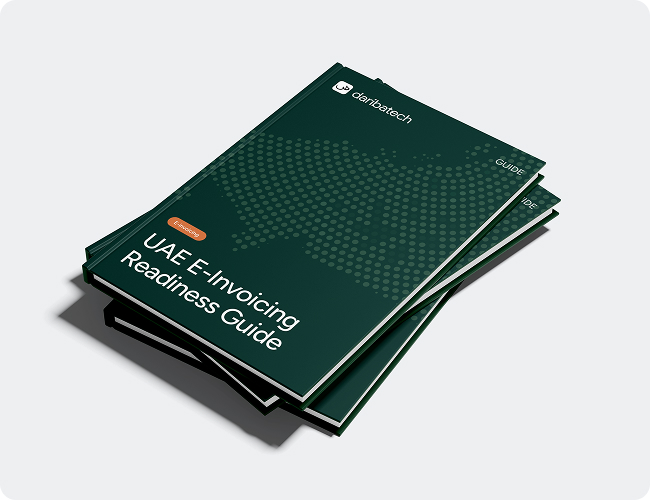
The UAE is moving towards a nationwide e-invoicing framework that will reshape how businesses create, exchange, and report invoices. Organizations that prepare early will reduce implementation risks, avoid costly disruptions, and ensure a smoother transition to the new requirements.
This guide explains what the upcoming changes mean, how the framework is expected to operate, and the practical steps your business can take today to become e-invoicing ready
What's Inside

Overview of the UAE e-invoicing framework
Expected implementation timeline and key milestones
How the 5-Corner Model works
Technical and compliance requirements
Readiness checklist for finance and IT teams
Common implementation challenges and how to avoid them
Recommended preparation roadmap
Who This Guide Is For
Whether you're planning your implementation or evaluating your current systems, this guide provides practical insights for teams responsible for tax compliance and digital transformation.
- Tax Leaders
- Finance Leaders
- IT Leaders
- CFOs
- Digital Transformation Teams
Preparing for e-invoicing is more than meeting a regulatory deadline. It requires coordination across finance, tax, and technology functions.